

STRESS–DNA RESET
EPIGENETICS
Introducing Epigenetics
Epigenetics is a groundbreaking field of science that reveals a powerful truth: our genes are not our destiny. While DNA provides the blueprint, how that blueprint is read and expressed is profoundly influenced by our environment and lifestyle.
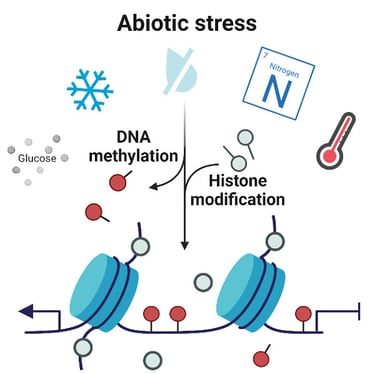
Through epigenetic mechanisms—such as DNA methylation, histone modification, and non-coding RNA activity—factors like stress, nutrition, sleep, physical activity, emotional states, social environment, and even thought patterns can switch genes on or off without altering the genetic code itself. These changes can shape health, behavior, disease risk, cognitive performance, and emotional resilience across the lifespan.
What makes epigenetics truly transformative is its reversibility. Unlike genetic mutations, epigenetic changes can often be modified through conscious lifestyle interventions. This bridges modern molecular biology with preventive medicine, neuroscience, psychobiology, and life-strategy approaches—demonstrating how daily choices regulate inflammation, hormonal balance, neural plasticity, immune responses, and stress adaptation.
In essence, epigenetics provides the scientific foundation for understanding how environment meets biology, explaining why two individuals with similar genes can experience vastly different health and life outcomes. It shifts the focus from genetic fate to biological responsibility, empowering individuals, clinicians, and organizations to design environments and lifestyles that support optimal gene expression, wellbeing, and long-term resilience.


Epigenetics is the study of how environmental factors, such as stress, diet, and lifestyle, change the way genes are expressed without altering the underlying DNA sequence. Chronic stress induces negative epigenetic changes (e.g., DNA hypermethylation of the glucocorticoid receptor gene NR3C1cap N cap R 3 cap C 1 𝑁𝑅3𝐶1) that can lead to chronic inflammation, anxiety, depression, and accelerated aging.
Core Scientific Positioning
Stress is the strongest epigenetic modifier of modern life.
It does not damage DNA structurally—but it continuously reprograms how genes function, influencing immunity, metabolism, hormonal balance, cognition, emotional stability, and disease risk.
HYGEIA Stress–DNA Reset is designed on this scientific truth:
If stress can alter gene expression, then conscious stress regulation can restore biological balance.
Stress–DNA Connection in Epigenetics.
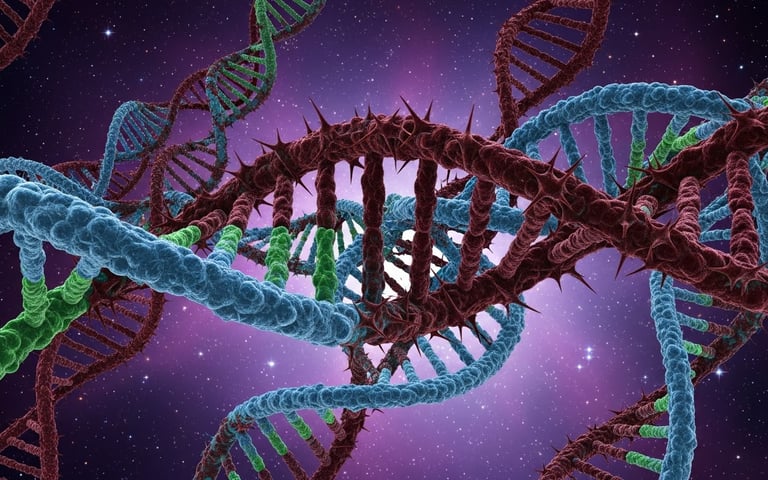
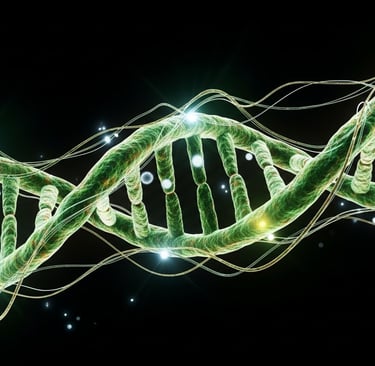
Epigenetic explains that stress does not change your DNA sequence, but it changes how your DNA behaves. Stress acts as a powerful biological signal that can switch certain genes on or off, influencing health, behavior, and disease risk.




Stress as a Biological Signal
When the brain perceives stress, it activates the HPA axis (Hypothalamus–Pituitary–Adrenal axis), leading to the release of stress hormones such as cortisol and adrenaline. These hormones enter cells and interact directly with DNA through epigenetic mechanisms.
In simple terms:
The mind interprets stress → hormones carry the message → genes respond.
DNA Methylation
Chronic stress increases methylation on genes involved in:
Emotional regulation
Immune function
Metabolism
Neuroplasticity
This can silence protective genes (e.g., those regulating stress recovery) and overactivate survival pathways, keeping the body in a constant alert state.


Histone Modification
Stress hormones modify histone proteins (DNA packaging structures), making certain genes:
More accessible (stress-response genes)
Less accessible (repair, growth, and resilience genes)
This shifts biology from repair mode to survival mode.
Stress-Related microRNAs
Stress alters microRNA activity, which controls how much protein a gene produces. This can affect:
Inflammation levels
Brain connectivity
Emotional memory consolidation
Key Epigenetic Mechanisms Involved
Stress Memory at the DNA Level
Epigenetics explains why stress effects persist even after the stressor is gone. Cells “remember” stress exposure through epigenetic marks, leading to:
Heightened anxiety responses
Sleep disturbances
Immune dysregulation
Increased vulnerability to lifestyle disorders
This is often referred to as biological stress imprinting.

Early Life & Chronic Stress
Stress during sensitive periods (childhood, adolescence, pregnancy) can create long-lasting epigenetic changes, influencing:
Stress sensitivity
Emotional resilience
Metabolic health
Cognitive performance
These changes may even be transmitted across generations, a phenomenon known as transgenerational epigenetics.
Reversibility: The Key Hope
Unlike genetic mutations, epigenetic changes caused by stress are modifiable.
Reduction of stress through:
Thought and emotional regulation
Breath and nervous system balancing
Sleep correction
Nutritional support
Environmental (sensory & interior) ergonomics
can gradually restore healthier gene expression patterns.
Stress speaks to DNA through hormones and neural signals; epigenetics determines whether the message leads to disease or resilience.
Practical Psychology Perspective
From a Practical Psychology and PNEI viewpoint:
Stress is a continuous epigenetic modifier
Thought overload, emotional suppression, and sensory over-stimulation are chronic DNA signals
Regulating the mind and nervous system (e.g., through methods like Mind Shift Rx) sends corrective signals to genes supporting recovery, immunity, and resilience


Why Stress–DNA Reset is Needed Today
Modern society is not suffering primarily from genetic disorders—it is suffering from stress-conditioned biology.
Chronic thought overload, emotional suppression, poor sleep, digital overstimulation, sedentary habits, and unhealthy environments continuously signal DNA to remain in survival mode. Over time, this leads to:
Lifestyle disorders (diabetes, cardiac risk, autoimmune imbalance)
Anxiety, depression, sleep disorders
Cognitive fatigue, emotional instability, burnout
Early aging and reduced resilience
Most health interventions address symptoms.
This retreat addresses the signal source.


Role of Practical Psychology
Practical Psychology is the applied science that converts neuroscience and epigenetics into daily-life correction tools.
In this retreat, Practical Psychology integrates:
Neuroscience (PNEI): regulating brain–hormone–immune communication
Mental Toughness: improving stress tolerance without biological damage
Dietary Management: using food as an epigenetic signal
Cognitive Ergonomics: reducing thought-load and attention fatigue
Interior & Sensory Ergonomics: correcting light, sound, space, posture, and sleep environment
Together, these directly influence how stress communicates with DNA.

Core Method – Mind Shift Rx
At the heart of HYGEIA Stress–DNA Reset is Mind Shift Rx, an advanced stress and impact regulation protocol.
Mind Shift Rx:
Reduces thought and emotional overloading
Relieves trigeminal and cranial stress pathways
Improves vagal tone and autonomic balance
Interrupts stress-driven epigenetic signaling
Shifts the body from survival biology to recovery biology
This makes Mind Shift Rx not just a stress-relief tool, but an epigenetic correction method.


Societal Impact Vision
HYGEIA Stress–DNA Reset is designed to:
Reduce long-term healthcare burden through prevention
Empower individuals with self-regulation skills
Address stress-related disorders at the root
Create biologically healthier families, professionals, and communities
This retreat positions Practical Psychology not as therapy alone, but as a public health solution for the modern world.
Contact
Reach out for personalized Lifestyle support
info@hygeiastudio.com. info@thepreventia.com
India: 09074125459. UAE: +971 585089456
© 2025. All rights reserved to Jasper Technocare